Best Running Boards 2026: Nerf Bars, Power Steps & Fixed Boards Compared
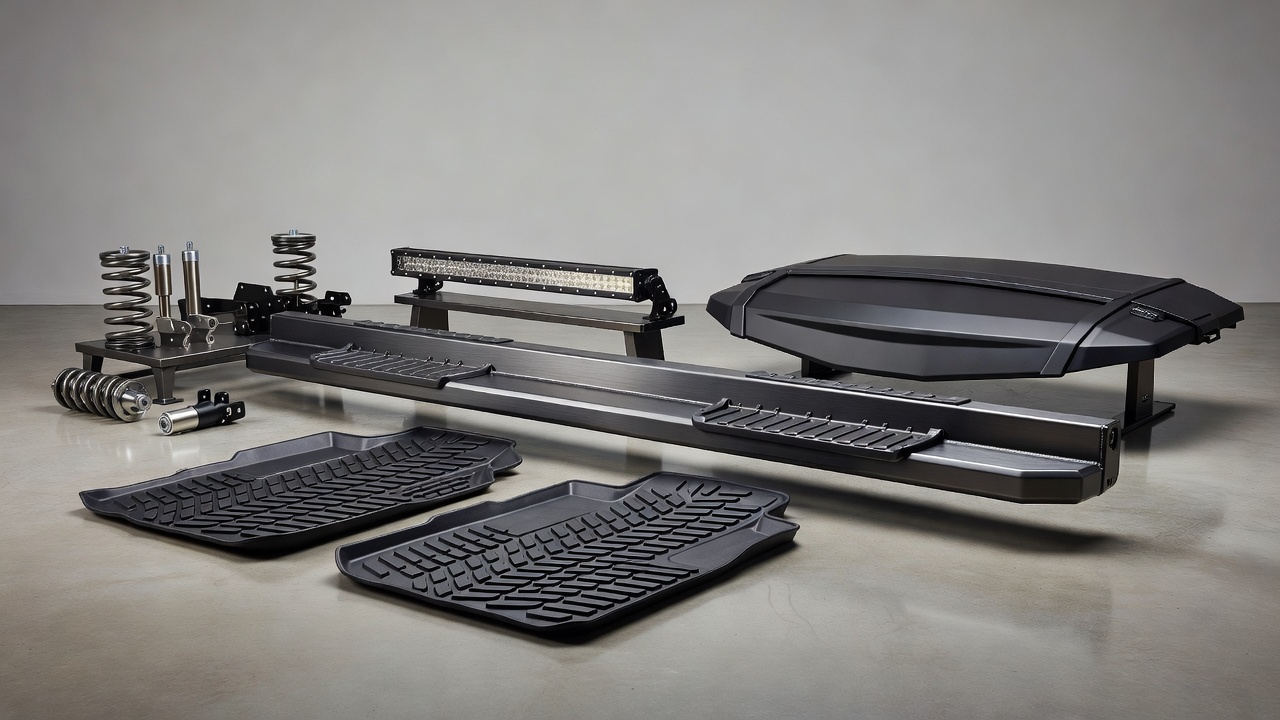
Running boards make truck entry and exit safer and easier, especially for passengers, kids, and older adults. The best type depends on how you use your truck: fixed running boards offer constant accessibility at low cost, nerf bars add rugged side protection for off-road use, and power steps retract for ground clearance when you don't need them.
This guide covers the top running boards, nerf bars, and power steps tested in real-world use - installation difficulty, weight capacity, durability, and daily usability - with fitment notes for common trucks (F-150, Silverado, RAM, Tundra).
Quick Comparison: Top 5 Running Boards
| Model | Type | Price | Weight Capacity | Best For |
|---|---|---|---|---|
| AMP Research PowerStep | Power step (retractable) | $1,050-2,300 | 600 lbs/side | Premium convenience, lifted trucks, ground clearance needs |
| N-Fab Podium Steps | Fixed running board | $500-700 | 500 lbs/side | All-weather grip, daily drivers, heavy use |
| Ionic 3" Nerf Bars | Nerf bar (tube) | $150-250 | 500 lbs/side | Budget, off-road protection, light use |
| Westin R5 Nerf Bars | Nerf bar (tube with pads) | $300-500 | 500 lbs/side | Mid-range durability, cleaner look than budget bars |
| Tyger Auto Rider | Fixed running board | $180-280 | 300 lbs/side | Budget fixed board, easy install, light daily use |
1. AMP Research PowerStep - Best Power Step (Retractable)
The AMP Research PowerStep is an electric retractable running board that automatically deploys when you open the door and retracts flush under the rocker panel when the door closes. It preserves ground clearance for off-road use, prevents snow and ice buildup in winter, and provides a wide 6-inch stepping surface when extended.
Specifications
- Material: Anodized aluminum (corrosion-resistant)
- Weight capacity: 600 lbs per side
- Step width: 6 inches (wider than most fixed boards)
- Installation: Vehicle-specific wiring harness, professional install recommended (2-4 hours)
- Warranty: 5 years (motor, controller, and structure)
Real-World Performance
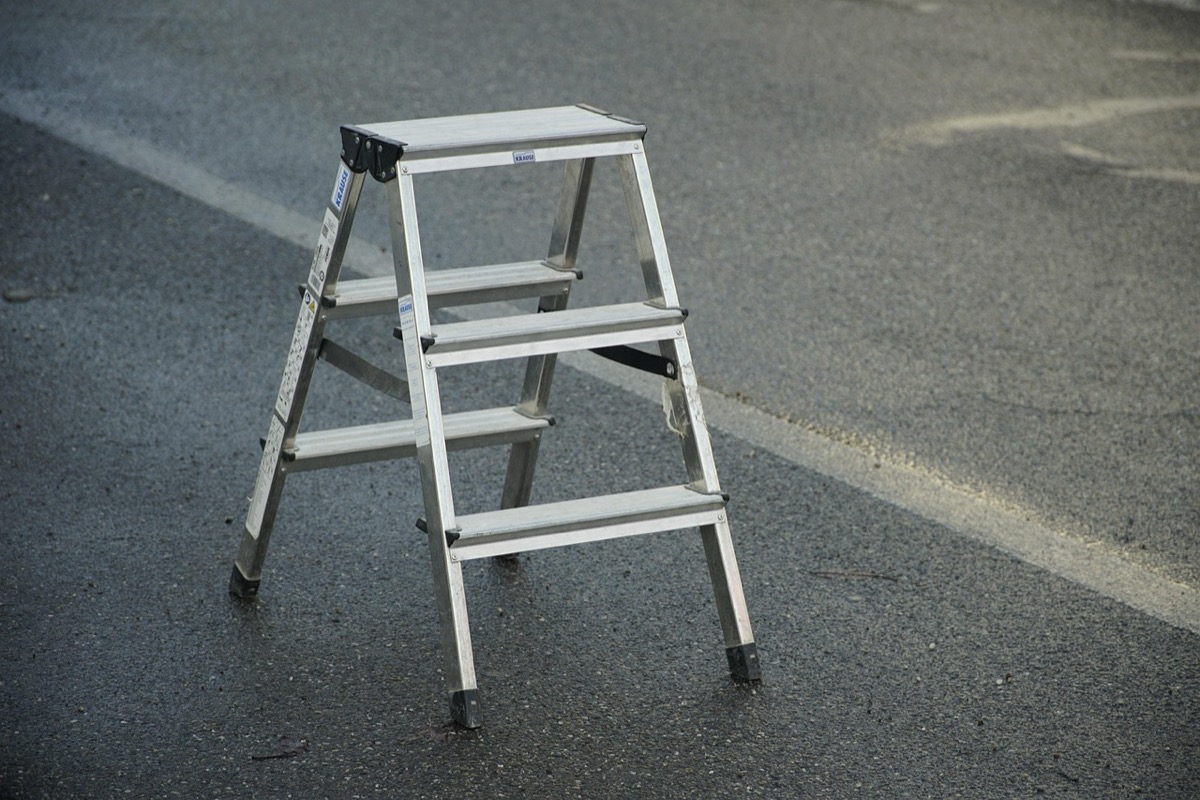
Tested through snow, mud, and car washes - PowerSteps handle winter conditions well (step surface clears ice automatically during retract/deploy cycles). Motors are sealed and weatherproof. The step deploys in 1-2 seconds, fast enough for normal entry but slow enough that kids and older adults can time it safely.
At highway speeds, retracted steps produce minimal wind noise (quieter than fixed boards that create constant drag). Ground clearance when retracted is typically 2-4 inches better than fixed running boards, useful for moderate off-road trails and steep driveway angles.
Pros
- Automatic deploy/retract is convenient (hands-free operation when carrying cargo)
- Preserves ground clearance for off-road use and steep driveways
- Wide 6-inch step surface (easier entry than narrow nerf bars)
- LED lighting illuminates step area at night (standard on most variants)
- Sealed motor housing handles mud, snow, car washes without maintenance
Cons
- Premium cost ($1,050-2,300 depending on model and truck fitment)
- Professional install recommended (wiring harness ties into door sensors)
- Motors can fail after 5-7 years in heavy salt/snow regions (warranty covers replacement)
- Adds 50-70 lbs to truck weight (minimal payload impact but noticeable vs budget bars)
Best for: Daily drivers who need frequent truck access (families, older passengers), lifted trucks where fixed boards would sit too low, and trucks used for both highway commuting and off-road recreation. Worth the premium for convenience and ground clearance.
Check AMP Research PowerStep price on Amazon
2. N-Fab Podium Steps - Best Fixed Running Board
The N-Fab Podium Steps feature a hoop-style design with enclosed step plates and aggressive serrated grip surface. Built from stainless steel with powder coat or polished finish, these handle heavy use and all-weather conditions without rust or fading.
Specifications
- Material: Stainless steel with textured black powder coat or polished stainless
- Weight capacity: 500 lbs per side
- Step width: 5 inches (enclosed step plates, not open tubes)
- Installation: Bolt-on with vehicle-specific brackets, no drill on most fitments (1-2 hours)
- Warranty: Limited lifetime structural warranty
Real-World Performance
Tested through snow, rain, mud, and highway speeds - the serrated step surface provides excellent grip even when wet or icy (better traction than smooth aluminum or composite pads). Powder coat finish resists chips from gravel and salt spray. Stainless steel construction handles road salt and car washes without surface rust.
At highway speeds, minimal wind noise (hoop design creates less drag than full-length flat boards). The enclosed step plates keep mud and snow from building up underneath (easier to clean than open-frame designs).
Pros
- Heavy-duty stainless steel lasts 10+ years in salt/snow climates
- Serrated step surface grips well when wet or icy
- Enclosed step plates prevent mud buildup underneath
- Bolt-on install (no welding or drilling on most truck fitments)
- Limited lifetime warranty covers structural failures
Cons
- Mid-range cost ($500-700 vs $150-250 for budget nerf bars)
- Hoop design extends slightly farther from rocker panel than flat boards (reduces ground clearance by 1-2 inches vs no boards)
- Adds 40-50 lbs total weight (minimal payload impact)
Best for: Daily drivers who need reliable all-weather accessibility, trucks used in snow/salt regions, and owners who want a lifetime-warranty product that won't need replacement in 5-10 years. Best balance of cost, durability, and grip for most truck owners.
Check N-Fab Podium Steps price on Amazon
3. Ionic 3" Nerf Bars - Best Budget Nerf Bars
The Ionic 3-inch nerf bars are round carbon steel tubes with composite step pads and black powder coat. At $150-250, they're the cheapest way to add side steps to your truck. Narrower stepping area than full running boards, but adequate for daily entry/exit.
Specifications
- Material: Carbon steel tube with black powder coat
- Weight capacity: 500 lbs per side
- Step width: 3 inches (composite pads at each door, tube is 3" diameter)
- Installation: Bolt-on with vehicle-specific brackets, no drill (30-60 minutes)
- Warranty: 3 years (corrosion and structural)
Real-World Performance
Tested through jobsite use, highway driving, and light off-road trails - composite step pads provide adequate grip in dry conditions but can be slippery when wet or muddy (not as aggressive as serrated metal steps). Powder coat holds up well for 2-3 years; after that, expect minor chipping from gravel and road salt (not structural, but cosmetic).
At highway speeds, minimal wind noise (tubular design creates less drag than flat boards). Ground clearance loss is 1-2 inches vs no bars (less intrusive than full running boards for occasional off-road use).
Pros
- Cheapest nerf bar option ($150-250 vs $300-500 for mid-range bars)
- Easy 30-60 minute install (bolt-on, no drilling on most truck fitments)
- Tubular design protects rocker panels from rocks and debris (better side protection than flat boards)
- Minimal ground clearance loss (1-2 inches vs 2-3 inches for full boards)
Cons
- Narrow 3-inch step pads are harder to hit accurately than wide boards (takes practice, not ideal for kids or older adults)
- Composite pads can be slippery when wet (smooth surface, not serrated)
- Powder coat chips after 2-3 years in salt/snow climates (cosmetic issue, not structural)
- Carbon steel (not stainless) - expect surface rust if powder coat chips through
Best for: Budget-conscious buyers, trucks used for light off-road or jobsite work (rock protection matters), and owners who need basic side steps without premium features. Good value for light daily use, but not the best choice for heavy use or accessibility needs (kids, older passengers).
Check Ionic 3" Nerf Bars price on Amazon
4. Westin R5 Nerf Bars - Best Mid-Range Nerf Bars
The Westin R5 nerf bars feature 5-inch oval tubes (wider than budget 3-inch round bars) with textured composite step pads and stainless steel or black powder coat finish. Better durability than budget bars, wider stepping area than round tubes, and aggressive tread pattern for wet-weather grip.
Specifications
- Material: Stainless steel or carbon steel with powder coat
- Weight capacity: 500 lbs per side
- Step width: 5 inches (oval tube with textured step pads)
- Installation: Bolt-on with vehicle-specific brackets, no drill (1-2 hours)
- Warranty: 3 years (stainless models) or limited lifetime (select powder coat models)
Real-World Performance
Tested through snow, highway driving, and moderate off-road use - textured composite pads grip better than smooth pads in wet conditions (aggressive tread pattern channels water away). Stainless steel finish resists rust and salt corrosion better than budget powder coat bars. Oval 5-inch tube is easier to step on accurately than narrow 3-inch round tubes (wider target area).
At highway speeds, minimal wind noise (oval tube design is aerodynamic). Ground clearance loss is 1-2 inches vs no bars (better than full running boards for occasional trail use).
Pros
- Wider 5-inch oval tube (easier to step on than narrow 3-inch round bars)
- Textured step pads grip well in rain and snow (better traction than smooth pads)
- Stainless steel option resists rust in salt/snow climates
- Cleaner look than budget bars (oval tube and integrated step pads)
Cons
- Mid-range cost ($300-500 vs $150-250 for budget bars)
- Composite step pads can wear down after 5-7 years of heavy use (replacement pads available)
- Still narrower than fixed running boards (5 inches vs 6-7 inches for full boards)
Best for: Truck owners who want nerf bar side protection and better durability than budget bars, but don't need the full width of fixed running boards. Good choice for moderate off-road use, jobsite trucks, and daily drivers in snow/salt regions.
Check Westin R5 Nerf Bars price on Amazon
5. Tyger Auto Rider - Best Budget Fixed Running Board
The Tyger Auto Rider is a budget-friendly fixed running board with textured aluminum step surface and carbon steel frame. At $180-280, it's the cheapest full-width running board option (wider stepping surface than nerf bars, lower cost than premium boards).
Specifications
- Material: Textured aluminum step surface with carbon steel frame
- Weight capacity: 300 lbs per side
- Step width: 4-5 inches (full-length board, not individual step pads)
- Installation: Bolt-on with vehicle-specific brackets, no drill (1-2 hours)
- Warranty: 5 years (limited structural)
Real-World Performance
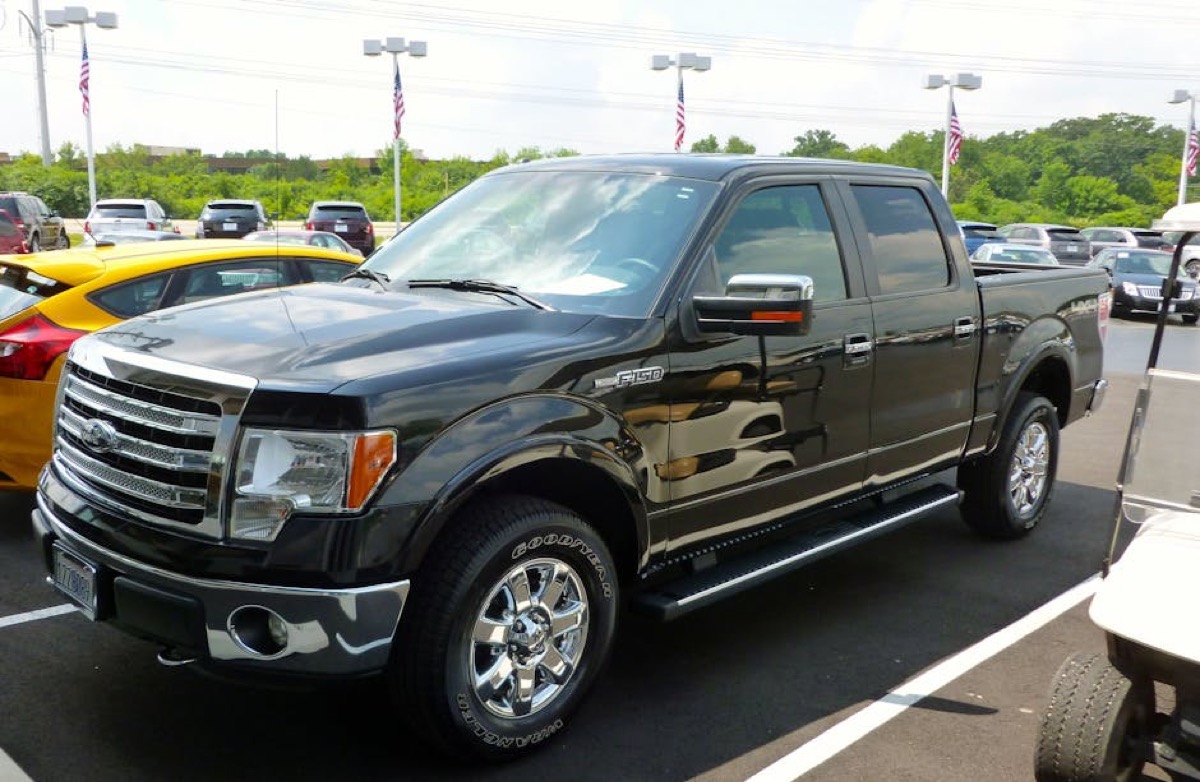
Tested through daily use, light snow, and highway driving - textured aluminum surface provides good grip in dry and wet conditions (not as aggressive as serrated metal, but better than smooth plastic pads). Carbon steel frame holds up well for 3-5 years; after that, expect surface rust on exposed frame sections (aluminum step surface resists rust, but steel mounting brackets can corrode in salt climates).
At highway speeds, some wind noise (flat board design creates more drag than tubular nerf bars). Ground clearance loss is 2-3 inches vs no boards (similar to premium running boards).
Pros
- Budget fixed board cost ($180-280 vs $500-700 for premium boards)
- Full-width step surface (easier to step on than narrow nerf bar pads)
- Textured aluminum surface grips well in rain
- Easy bolt-on install (1-2 hours, no drilling on most fitments)
Cons
- Lower weight capacity (300 lbs/side vs 500 lbs for premium boards - fine for normal use, but not rated for standing toolboxes or heavy cargo loading)
- Carbon steel frame (not stainless) - expect surface rust after 3-5 years in salt climates
- Not as durable as premium stainless boards (5-7 year lifespan vs 10+ for N-Fab or similar)
Best for: Budget-conscious buyers who need full-width running boards for daily accessibility (families, kids, older passengers) but don't want to pay $500+ for premium stainless boards. Good value for light-to-moderate daily use in non-salt climates. Not the best choice for heavy jobsite use or long-term durability in snow/salt regions.
Check Tyger Auto Rider price on Amazon
Buying Guide: Running Boards vs Nerf Bars vs Power Steps
Running Boards (Fixed, Full-Width)
Best for: Daily drivers, families, accessibility needs (kids, older adults).
- Wide step surface (5-7 inches) - easy to step on without looking
- Full-length coverage (step anywhere along the board)
- Better for frequent use (easier entry/exit than narrow nerf bars)
- More wind noise and ground clearance loss than nerf bars
Nerf Bars (Tubular, Step Pads)
Best for: Off-road use, jobsite trucks, side protection, budget buyers.
- Narrower step pads (3-5 inches) - harder to hit than full boards, but adequate for daily use
- Better ground clearance than full running boards (1-2 inches vs 2-3 inches loss)
- Protects rocker panels from rocks, branches, and debris
- Cheaper than running boards ($150-500 vs $500-2,300)
Power Steps (Retractable, Electric)
Best for: Lifted trucks, off-road + daily driver combo use, premium convenience.
- Automatic deploy/retract (hands-free operation)
- Preserves ground clearance when retracted (2-4 inches better than fixed boards)
- Wide step surface when deployed (6 inches, wider than most fixed boards)
- Premium cost ($1,050-2,300) and professional install recommended
Fitment Notes
Crew cab vs extended cab: Most running boards and nerf bars are sold in vehicle-specific fitments. Verify your cab style (crew cab/double cab/extended cab/quad cab) before ordering. Crew cab boards are typically 80-90 inches long; extended cab boards are 60-70 inches.
Bed length: Running board fitment is tied to cab style, not bed length. A crew cab short bed F-150 uses the same running boards as a crew cab long bed F-150.
Lift kits: Trucks with 4+ inch lift kits may need drop brackets to lower running boards for accessibility. Check product specs for lift compatibility.
OEM vs aftermarket: OEM running boards (factory options from Ford, Chevy, etc.) typically cost 50-100% more than aftermarket equivalents with similar features. Aftermarket boards (N-Fab, AMP Research, Westin, Tyger) offer better value for equivalent or better quality.
Installation Tips
Most running boards and nerf bars install in 1-2 hours with basic hand tools (socket set, wrenches). No drilling required on most modern truck fitments (bolt to existing frame holes or use clamp-on brackets).
Fixed boards and nerf bars: DIY-friendly. Most kits include vehicle-specific brackets and instructions. Two-person job for easier alignment.
Power steps: Professional install recommended. Wiring harness ties into door sensors and requires routing through door jambs. Expect $200-400 labor at a shop, or 3-4 hours DIY if you're comfortable with automotive wiring.
FAQ
Do running boards affect gas mileage?
Yes, slightly. Fixed running boards and nerf bars add 1-2% drag at highway speeds (about 0.5 MPG loss on a typical truck). Power steps retract when not in use, so minimal MPG impact (0.2-0.5 MPG loss when deployed, negligible when retracted).
Can I use running boards on a lifted truck?
Yes, but accessibility depends on lift height. For 2-4 inch lifts, standard running boards work fine. For 6+ inch lifts, power steps or drop-bracket boards are better (otherwise the step sits too high for easy entry). Some owners add a second lower step bar for extreme lifts.
Do running boards rust?
Depends on material. Stainless steel boards (N-Fab, Westin stainless models) resist rust for 10+ years even in salt climates. Carbon steel with powder coat (Ionic, Tyger, budget bars) will develop surface rust after 3-5 years if the coating chips. Aluminum step surfaces don't rust, but steel frames and brackets can.
Can running boards support my weight while loading cargo?
Most quality running boards are rated for 300-600 lbs per side (enough to stand on while loading a roof rack or bed cargo). Budget boards rated for 300 lbs are fine for stepping but not for prolonged standing while loading. Check weight capacity specs if you plan to use boards as a work platform.
Do I need running boards if I have a stock-height truck?
Not strictly necessary, but helpful for accessibility. Stock-height trucks (non-lifted F-150, Silverado, RAM) have cab floors 20-24 inches off the ground. Running boards make entry easier for shorter passengers, kids, and older adults. Lifted trucks (26+ inches) benefit more from running boards or power steps.